Museo Würth La Rioja: Art as the Driving Force of a Humanist Business Vision
Museo Würth La Rioja: Art as the Driving Force of a Humanist Business Vision
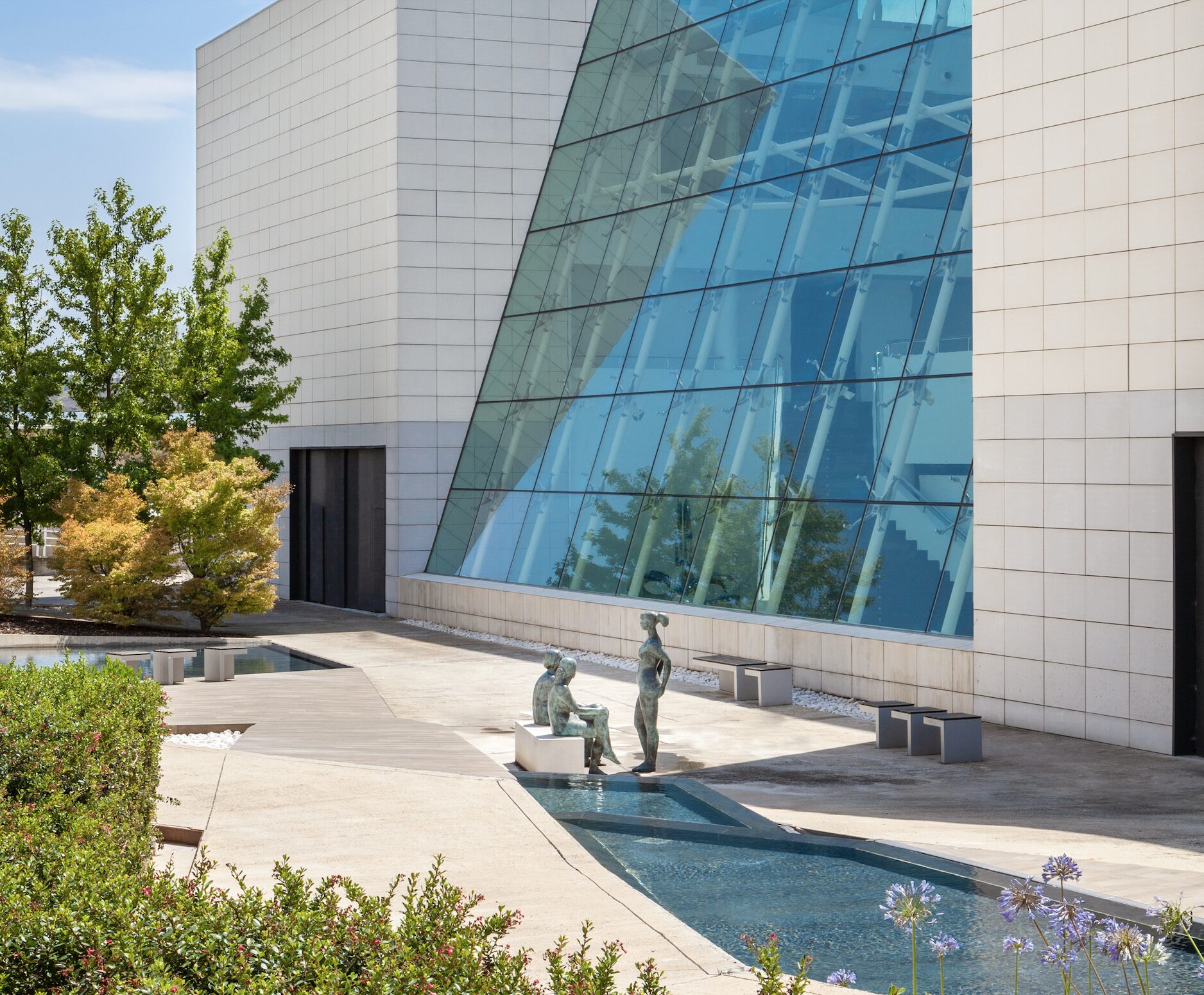
Opened in 2007, Museo Würth La Rioja was founded with the purpose of showcasing the Würth Collection, one of the most distinguished private collections of contemporary art in Europe. Located in the El Sequero Industrial Park in Agoncillo, the museum shares space with Würth Spain’s logistics warehouse and offices, reflecting the conviction of its founder, Reinhold Würth, that culture is an essential part of both life and work. This unique setting underscores the idea that creativity can be integrated into all areas of human activity.
The museum has become a regional leader, presenting masterpieces from the collection alongside a program of educational and cultural activities aimed at audiences of all ages. Its commitment to social responsibility is expressed through an inclusive, plural, and participatory project that promotes art as a tool for knowledge, reflection, and personal development.
The Würth Collection, begun in the 1960s, comprises over 20,000 works by key artists of the twentieth and twenty-first centuries, including Picasso, Munch, Klimt, Chillida, Miró, Warhol, and Bourgeois. In addition, the Würth Spain Collection, established in 2004, has incorporated works by prominent contemporary Spanish creators such as Miquel Barceló, Jaume Plensa, Ana Soler, Naia del Castillo, Manolo Valdés, Esperanza d’Ors, and Darío Urzay.
The museum also features an 8,600 m2 sculpture garden designed by Dom Arquitectura, extending the exhibition space outdoors and integrating pieces by Richard Deacon, Miquel Navarro, Blanca Muñoz, and Koldobika Jauregi among natural and architectural elements.
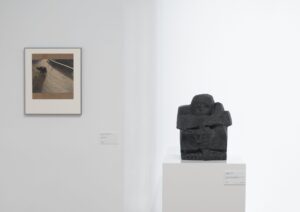
From mid-March, the museum has been hosting an exhibition exploring the image of women in the arts over the past century: from silenced muses and objects of representation to recognized artists and active creators of artistic discourse. The exhibition celebrates the talent, voice, and vision of women who have transformed the cultural landscape, challenging stereotypes and opening up new paths of expression.
Museo Würth La Rioja
Avda. Cameros, Pals. 86-89, Agoncillo.