Bizkaia: The Quiet Luxury of the Extraordinary
Bizkaia: The Quiet Luxury of the Extraordinary
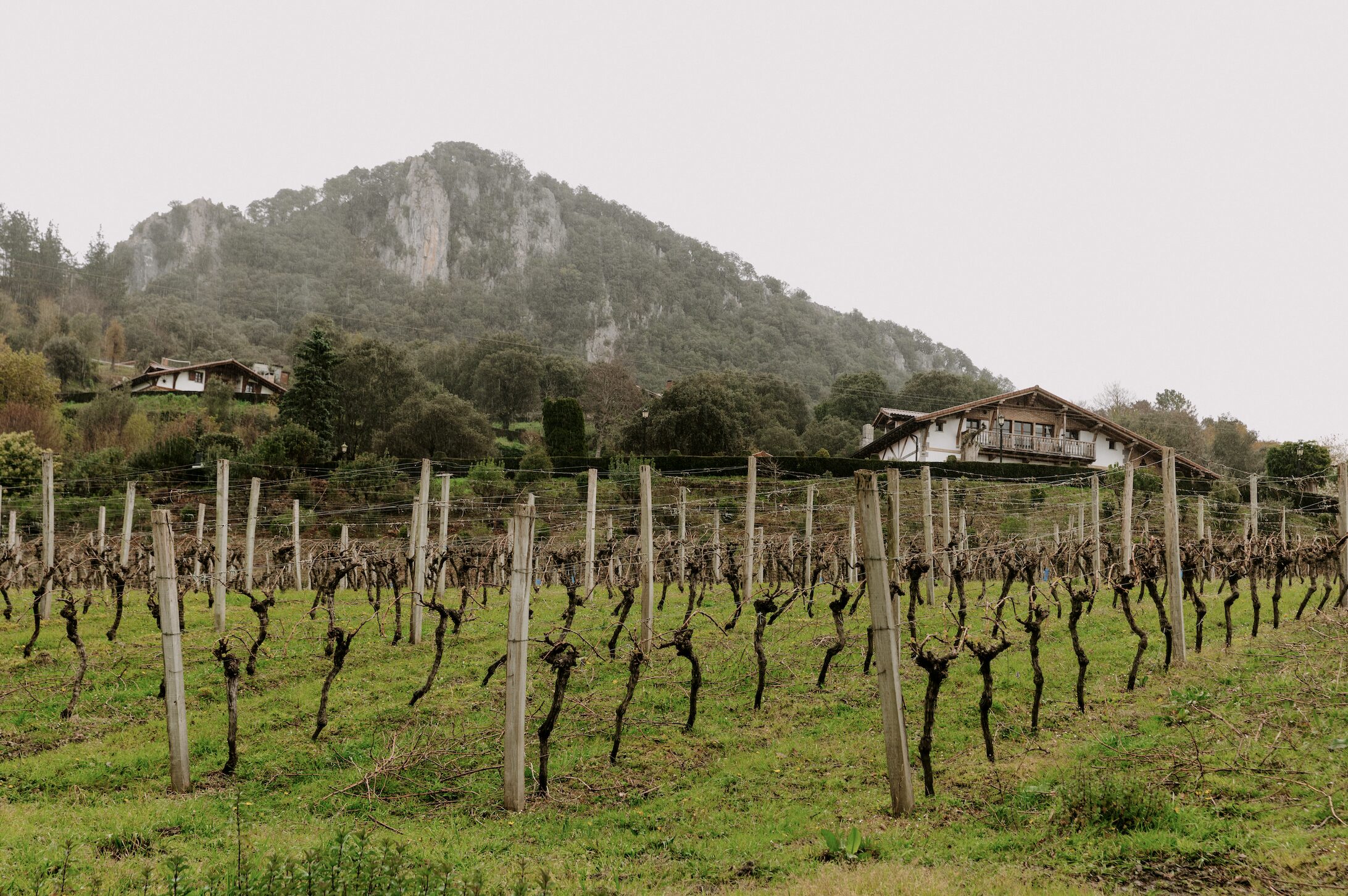
The journey begins before you arrive. Sometimes with a glass of txakoli by the Cantabrian Sea; other times, with a fleeting glimpse of green cliffs or with the intuition that there are still places that have not yet been fully discovered. But in Bizkaia, the real journey begins when you decide you don’t want the usual.
Dawn breaks on the coast. The mist slowly rises over the vineyards overlooking the sea, and the silence is broken only by the wind and the occasional distant conversation in Basque. There’s no rush. A traveler —perhaps you— walks among the vines while someone explains that this wine is not born from a trend, but from a way of life. Then, the glass. And with it, the feeling of having access to something that is not within the reach of just anyone. That is the first thing that sets Bizkaia apart: everything here comes naturally.
For years, the world looked to Bilbao as a symbol of transformation. But beyond that icon, the region has built something more complex and valuable: a way of traveling that is not advertised aloud, but is instantly recognizable. Because today, luxury is no longer about excess. It’s about authenticity.
In Bizkaia there are no imposed itineraries, but rather experiences that unfold little by little. From the coast to the interior, each route invites a different way of being present. The Txakoli Wine Routes of Bizkaia are perhaps the best example. These are not simply wine tours, but a way of reading the landscape: Atlantic vineyards, family wineries, and a culture transmitted without artifice. Here, a wine tasting is a conversation. And a conversation, a way of belonging.
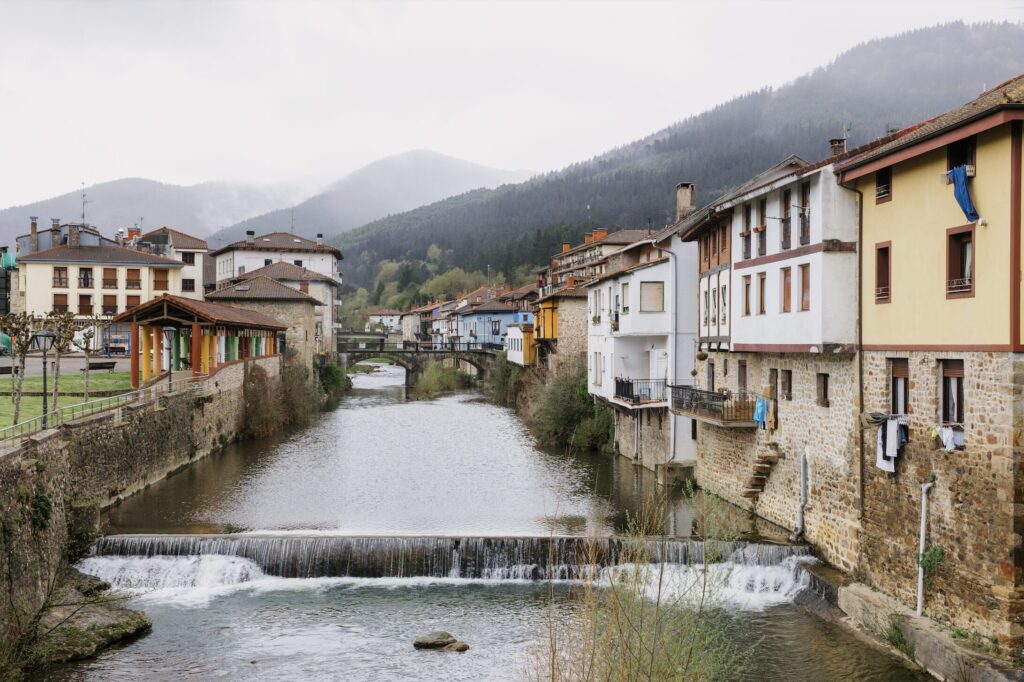
The same applies to the industrial narrative. Where others would see the past, Bizkaia has managed to build its identity. The Iron River – Industrial Heritage experience, for example, takes you through old mining sites, factories, and riverbanks that have become living memories, witnesses to an intense industrial history. In this way, travelers do not merely observe: they interpret.
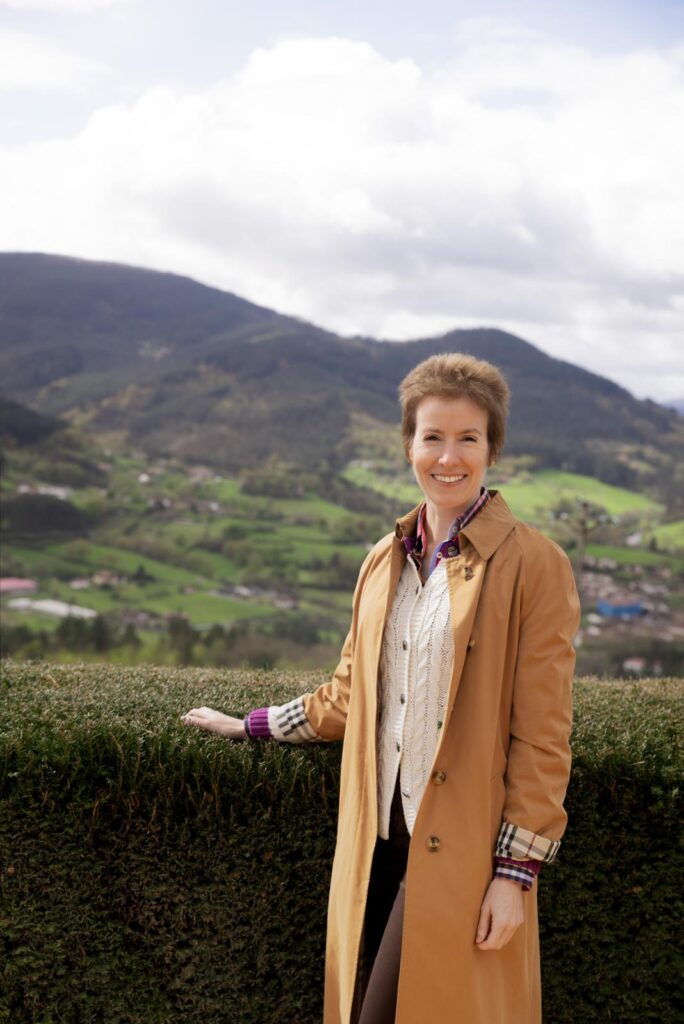
None of this is by chance. There is a way of understanding tourism that runs through the entire region, although it is not always explicitly stated. As Sonia Pérez Ezquerra, the Regional Minister of Tourism in Bizkaia, summarizes: “We wanted a model that would care for the region and offer visitors something they could feel was their own.” This is not a slogan. It’s a way of acting that comes out in the details: in the absence of overcrowding, in the coherence of the experiences, in the feeling of balance. In the fact that the visitor doesn’t feel like just another face in the crowd, but someone who has made a thoughtful choice.
There comes a moment, usually unannounced, when the traveler understands that Bizkaia is not trying to impress, but to endure. It might be in front of the estuary, among iron structures that tell stories of labor. Or along an old mining route where landscape and memory merge into a single narrative. Experiences like Iron River allow one to explore that past turned into living culture, connecting visitors with the region’s industrial history. Here, beauty is not always obvious. But it’s always real.
Another feature that defines this model is its commitment to inclusivity. Not as an add-on, but as an essential part of the experience. The Bizkaia Accesible (“Accessible Bizkaia”) project provides travelers with information and resources to enjoy the destination without barriers, with adapted services and experiences designed for everyone. Because designing a more accessible destination doesn’t make it more ordinary, but more valuable. More thoughtful. More complete. And that, today, is too a form of exclusivity.
Bizkaia’s success has not been by chance, but the result of a coherent and sustained strategy over time, based on collaboration and a clear commitment to sustainability. Its achievements have been recognized internationally: recently, Bizkaia was distinguished at FITUR with the award for the Most Responsible and Sustainable Destination, in addition to being recognized as an Accessible Destination. Furthermore, its social media marketing campaign was pronounced the top governmental tourism campaign of 2025, strengthening a regional image that not only communicates effectively, but also solidly projects a different, balanced, and forward-thinking tourism model.
Beyond the accolades, Bizkaia has positioned itself as a pioneer in the development of a regenerative tourism model, an approach that goes a step beyond traditional sustainability. It’s not just about reducing the impact, but about generating a positive effect on the environment, revitalizing communities, strengthening local identity, and restoring value to the territory. This vision places Bizkaia at the forefront of a new tourism paradigm in which traveling not only involves discovering a destination, but also actively contributing to its balance and evolution.
Some trips are chosen out of habit. Others are chosen because of something deeper. Opting for Bizkaia means being part of a different way of traveling. It means accessing experiences that are not easily replicated, places that don’t need to put on a show, stories that are discovered over time. It’s about choosing a destination that doesn’t compete to be the most visited, but to be the most understood. Because, in the end, true luxury does not lie in having more, but in knowing how to choose better. And in that gesture —quiet, almost intimate— it all begins.
Bizkaia