Balenciaga: everything you need to know about the great Basque master of improbable volumes and perfect seams
Balenciaga: everything you need to know about the great Basque master of improbable volumes and perfect seams
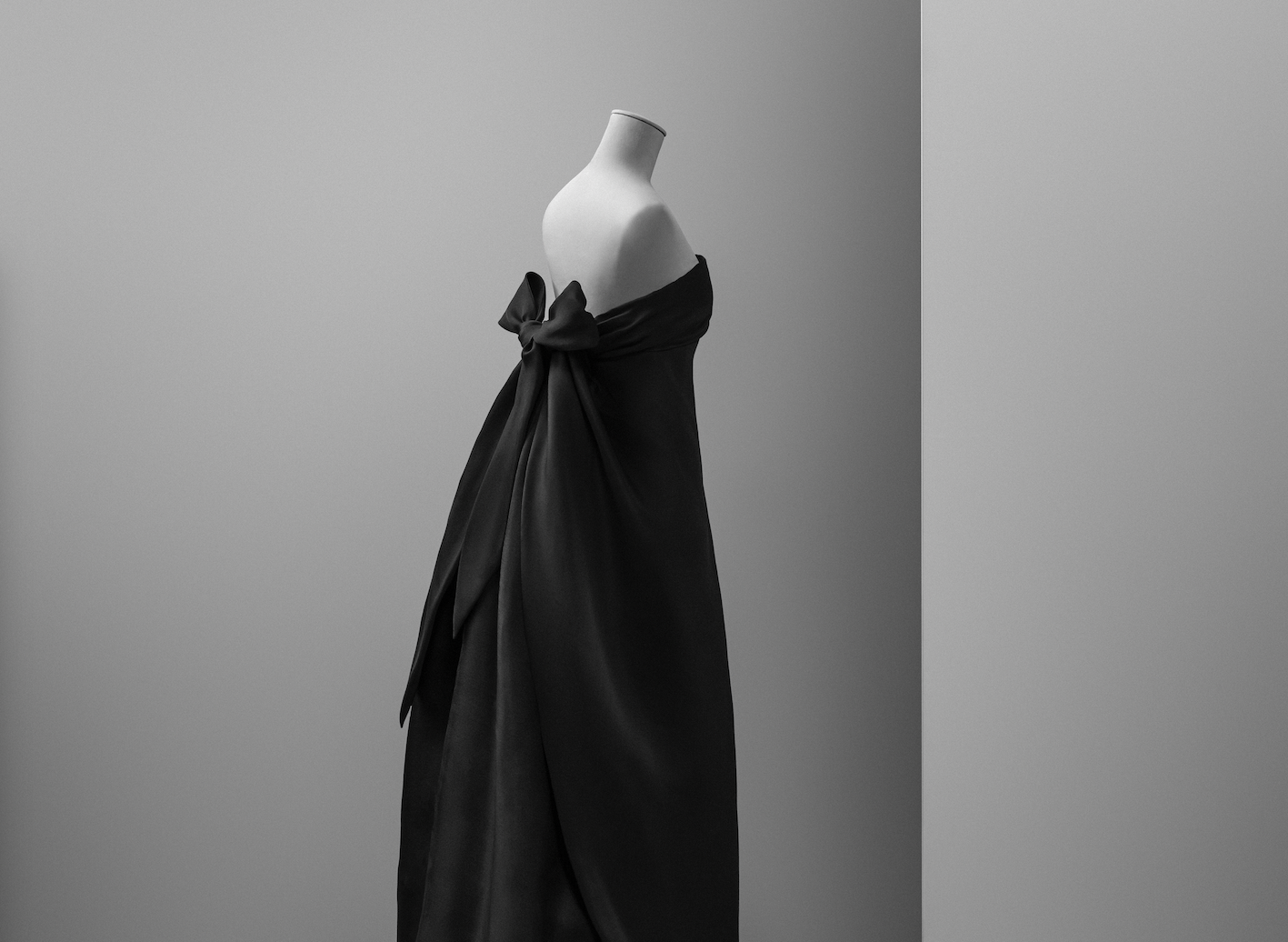
Cristóbal Balenciaga, whose colleagues by profession (Dior, Chanel, and Givenchy) called him the “master of haute couture,” was one of the most influential fashion creators of the twentieth century. During a five-decade professional career, he managed his haute couture establishments in Spain (in San Sebastián, Madrid and Barcelona) and France (Paris) and made his name synonymous with elegance, avant-garde, beauty, and timelessness. Noteworthy in his pieces –profuse in improbable volumes and fabrics taken to the extreme of their possibilities– is the meticulous work of each buttonhole, the sumptuous embroidery, the perfection in each sleeve, and the minimal number of seams in the cut. His life’s work and the prestige that accompanied it were based on strong personal values and one idea: the woman walking comfortably, who Balenciaga wanted to make beautiful.
In 2011, Cristóbal Balenciaga Museoa opened to the public in Getaria (the couturier’s birthplace and the scene of the first years of his profession), a signature museum with a theme –fashion– which has the undeniable ability to interest and attract both the general public and a specialized, professional audience. The museum is located in an emblematic building that is architecturally relevant and which combines the historic Aldamar Palace (the former residence of the Marquises of Casa-Torres, grandparents of Queen Fabiola of Belgium and patron of the young Balenciaga) with a contemporary-style extension measuring more than 9,000 m2. Its collection, the important exhibition and educational program that it offers in connection with the best universities and fashion schools in the world, and the unique spaces of its architecture are just some of the museum’s great hallmarks.
The establishment houses a large collection of more than 3,500 original clothing pieces which come mainly from donations from former customers of the Balenciaga establishments in Spain and Paris, and said collection grows every year. Many of these pieces represent milestones in the history of fashion and have belonged to great international personalities such as Mona von Bismarck, Rachel Lambert Mellon, Patricia López Wilshaw, Barbara Hutton, Lilian Baels, Grace Kelly, Fabiola of Belgium, Madame Bricard, and the Marchioness of Llanzol. The formal and chronological extension of the collection (it includes, for example, the earliest models by the couturier that remain in existence) make it one of the most complete, coherent, and interesting ones on the international scene.
Along with clothing and accessories by Balenciaga, the museum also houses other documents and objects related to the designer, the sewing trade, and business of the designer’s establishments, as well as specialized bibliographic collections that are both historical and contemporary in nature. The collection’s importance is reflected in its presence at exhibitions about Balenciaga put on in museums around the world (New York, Lyon, San Francisco, Monaco, Berlin, Mexico City, Calais, London, and Madrid, among others) to uphold the founding mission of disseminating the figure and work of this couturier.
The year 2023 is full of news for the museum, as a biographical hall is being inaugurated to disseminate information on the origin of Balenciaga, his beginnings in San Sebastián, and his subsequent business in Spain and France, contextualizing this information in time and highlighting the man’s importance in the development of twentieth-century fashion. Likewise, the inside of the Aldamar Palace has been remodeled, thus expanding the exhibition space for temporary shows, and this new space will be inaugurated with a new exhibition this summer. In addition, a sample of the collection, made up of a hundred pieces, will occupy the five main exhibition halls of the contemporary building in order to continue exploring a new perspective on his work – a perspective focused on what makes “a Balenciaga” recognizable. Also in 2023, the third edition of the educational program entitled “Transmissions” will continue – a program which began in September 2022 and will run until 2025 and which brings together teachers and students from various international fashion design schools to promote immersion in the philosophy, technique, and biographical context of Cristóbal Balenciaga around one of the designer’s defining themes: the introduction of revolutionary new silhouettes.
Cristóbal Balenciaga Museoa
Aldamar Parkea 6, Getaria.