Casa Munoa: From the Belle Époque to the Twenty-First Century
Casa Munoa: From the Belle Époque to the Twenty-First Century
The Swiss watchmaker Pablo Beiner arrived at San Sebastian in the nineteenth century, attracted by the booming, cosmopolitan vibe of the coastal capital city. He began his career at Relojería Suiza Jewelers, which was the provider for the Royal Household of Spain. Queen Maria Christina, Alfonso XII, Victoria Eugenie, and Alfonso XIII were some of the shop’s regular customers. Said jewelry shop was different in that it had its own workshop that employed local craftsmen.
In 1935, after the death of Pablo Beiner, two of the craftsmen who worked with him –the Munoa brothers– took over the business under their own name: Casa Munoa. Since then, generation after generation, this family has kept the jeweling tradition alive, creating pieces of boundless creativity and refinement.
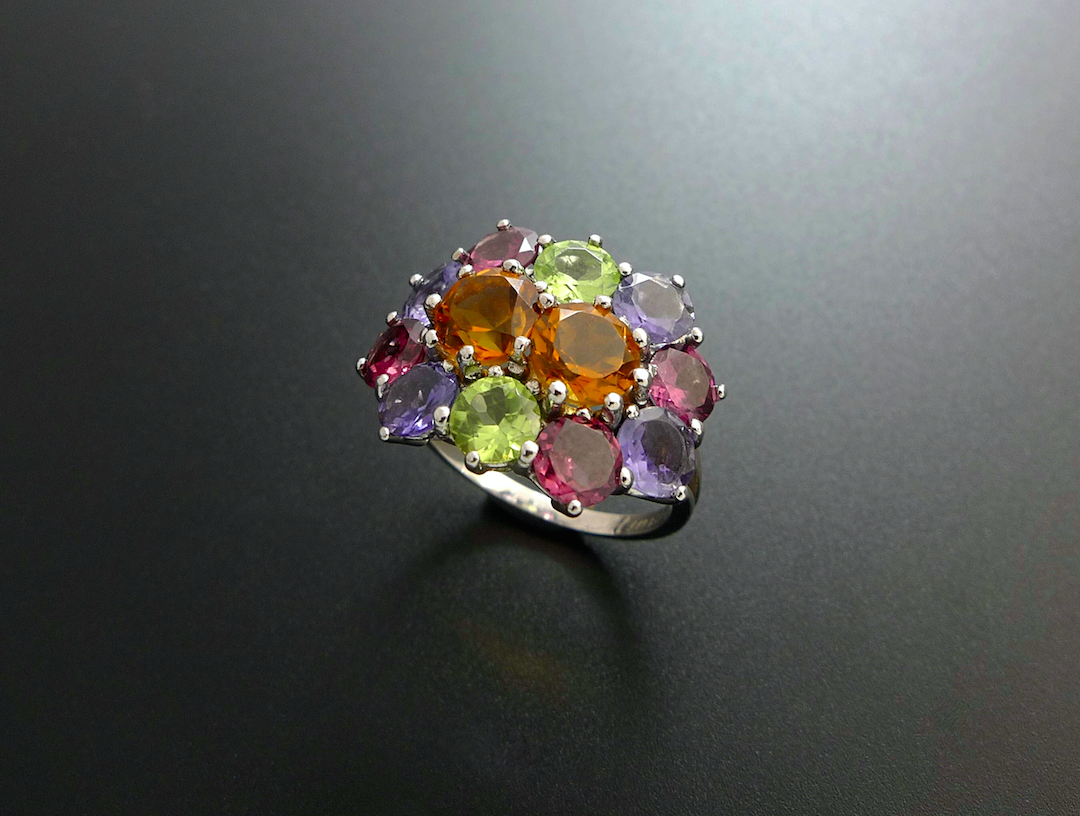
Every generation of the family has added innovations that have kept the company at the forefront of the jeweling trade. Some of these innovations include, for example, the pioneering use of semi-precious stones like tourmalines, beryls, and spinels in alteration with diamonds, rubies, emeralds, and sapphires.
Today they also make simple jewelry that fits with the new times, such as the Donostibay – a piece that pays tribute to the city of San Sebastian and which has become popular among both locals and tourists who want to take a special souvenir from the capital home with them.
The history of jewelry making is summed up in the book entitled “Casa Munoa, de la Belle Époque al siglo XXI” (“Casa Munoa: From the Belle Époque to the Twenty-First Century”) – a literary piece which details this family’s exciting legacy, a legacy that has become part of the history of San Sebastian. Its stories, designs, photographs, and drawings are, when combined, a true gem: a reflection of a city that is once again going through a golden age.
Casa Munoa
Calle Aldamar 28, San Sebastián.
Tel.: +34 943 422 847